
Can non - magnetic probe outer tubes be used in the construction industry?
As a supplier of Non - Magnetic Probe Outer Tubes, I've often been asked about the applicability of these products in the construction industry. In this blog, I'll explore the potential uses, advantages, and limitations of non - magnetic probe outer tubes in construction.
1. Understanding Non - Magnetic Probe Outer Tubes
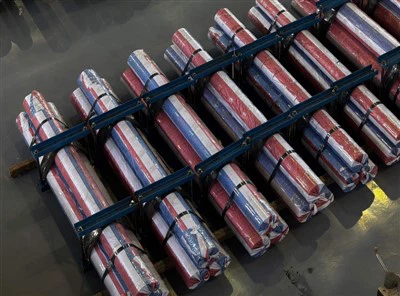
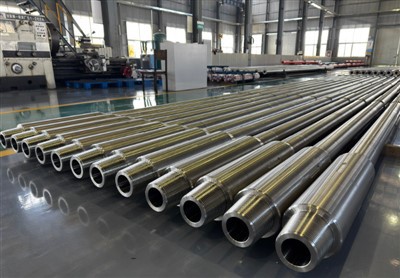
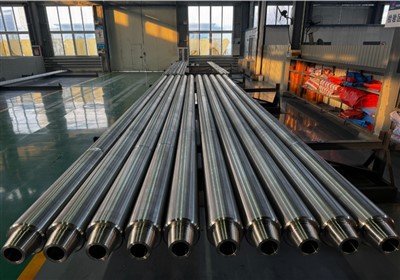
Non - magnetic probe outer tubes are specifically designed to have minimal magnetic properties. They are typically made from materials such as non - magnetic stainless steel or other non - ferrous alloys. These tubes are used to house probes that are sensitive to magnetic interference. For example, in some geophysical exploration or measurement devices, non - magnetic outer tubes ensure that the probes can accurately detect and measure various physical parameters without being affected by external magnetic fields. You can find more details about our Non - Magnetic Probe Outer Tube on our website.
2. Potential Applications in the Construction Industry
Geotechnical Investigations
Geotechnical investigations are a crucial part of any construction project. They involve determining the properties of the soil and rock at a construction site. Non - magnetic probe outer tubes can be used in conjunction with probes that measure parameters such as soil density, moisture content, and electrical conductivity. Since these measurements need to be highly accurate, the non - magnetic nature of the outer tubes ensures that there is no interference from the Earth's magnetic field or other magnetic sources on the site. For instance, during the exploration of a large building site, a probe housed in a non - magnetic outer tube can provide more reliable data about the subsurface conditions, which is essential for designing the foundation of the building.
Underground Utility Detection
In modern construction, it's vital to know the location of underground utilities such as water pipes, gas lines, and electrical cables before starting any excavation work. Non - magnetic probe outer tubes can be used with electromagnetic or ultrasonic probes to detect these utilities. The non - magnetic outer tube protects the probe from the magnetic interference that could be caused by nearby metal structures or power lines. This allows for more accurate detection of the underground utilities, reducing the risk of accidental damage during construction.
Structural Health Monitoring
For large - scale construction projects like bridges, dams, and high - rise buildings, continuous structural health monitoring is necessary. Non - magnetic probe outer tubes can be used to house sensors that measure parameters such as strain, stress, and vibration in the structure. These sensors need to operate in a magnetic - free environment to provide accurate data. By using non - magnetic outer tubes, the sensors can function properly and help engineers detect any potential structural problems early on, ensuring the safety and longevity of the building.
3. Advantages of Using Non - Magnetic Probe Outer Tubes in Construction
Accuracy of Measurements
The most significant advantage is the improvement in the accuracy of measurements. Magnetic interference can distort the readings of probes and sensors, leading to incorrect data. With non - magnetic probe outer tubes, the probes are shielded from these magnetic effects, allowing for more precise and reliable measurements. This accuracy is crucial in construction, where decisions about design, safety, and resource allocation are based on the data obtained from these measurements.


Durability
Non - magnetic materials, such as non - magnetic stainless steel, are often highly resistant to corrosion and wear. This makes the non - magnetic probe outer tubes suitable for use in harsh construction environments. They can withstand exposure to moisture, chemicals, and physical impacts, ensuring a long service life and reducing the need for frequent replacements.
Compatibility with Other Equipment
Non - magnetic probe outer tubes can be easily integrated with a wide range of probes and sensors used in the construction industry. They come in various sizes and shapes, making them versatile and adaptable to different types of equipment. This compatibility allows construction companies to use these outer tubes with their existing measurement and monitoring systems without having to make significant modifications.
4. Limitations and Challenges
Cost
One of the main limitations is the cost. Non - magnetic materials are generally more expensive than magnetic ones. The manufacturing process of non - magnetic probe outer tubes also requires specialized techniques, which further adds to the cost. This can be a significant factor for construction companies, especially those working on tight budgets.
Availability
Finding the right non - magnetic probe outer tubes with the required specifications can sometimes be a challenge. The market for these products is relatively niche, and not all suppliers may offer a wide range of options. Construction companies may need to spend more time and effort searching for the appropriate products.
5. Other Related Non - Magnetic Products in Construction
In addition to non - magnetic probe outer tubes, there are other non - magnetic products that can be used in the construction industry. For example, Upper Non - Magnetic Drill Pipe, Non - Magnetic Stabilizers for Coal, Coal Machine Non - Magnetic Drill Pipe, and Lower Non - Magnetic Drill Pipe are all important tools in coal - related construction projects. These products are designed to work in magnetic - sensitive environments and can enhance the efficiency and accuracy of drilling operations.
6. Conclusion and Call to Action
In conclusion, non - magnetic probe outer tubes have significant potential in the construction industry. Their ability to improve the accuracy of measurements, combined with their durability and compatibility, makes them a valuable addition to construction projects. Although there are some limitations such as cost and availability, the benefits they offer often outweigh these drawbacks.
If you're involved in a construction project and are interested in using non - magnetic probe outer tubes or other related non - magnetic products, I encourage you to contact us for a detailed discussion. We can provide you with more information about our products, their specifications, and how they can be tailored to meet your specific construction needs. Our team of experts is ready to assist you in making the right choice for your project.
References
- ASTM International. (20XX). Standard specifications for non - magnetic stainless steel materials.
- Construction Industry Institute. (20XX). Best practices in geotechnical investigations for construction projects.
- Society of Civil Engineers. (20XX). Guidelines for structural health monitoring in construction.