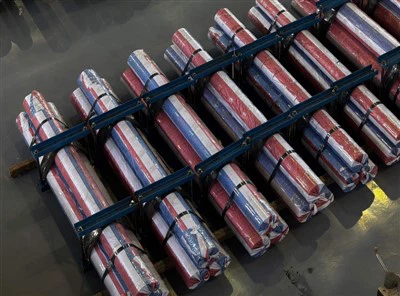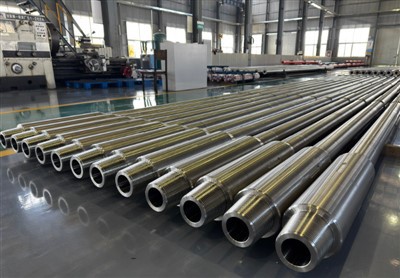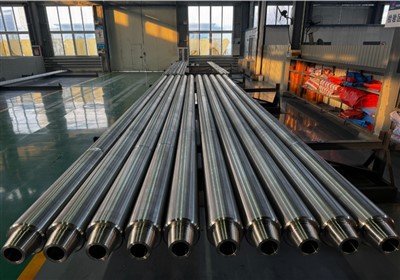

Yo, folks! I'm in the biz of supplying Non-Magnetic Heavy Weight Drill Pipe, and I'm stoked to chat about what this piece of kit is all about. What's the purpose of Non-Magnetic Heavy Weight Drill Pipe? Well, let's dig in and find out!


First off, let's set the scene. In the oil and gas drilling world, it's a high - stakes game. You've got to get that drill bit down deep into the earth, sometimes thousands of meters, to reach those precious oil and gas reserves. And there are a whole bunch of challenges along the way. One of these challenges is dealing with the earth's magnetic field and the magnetic interference from other drilling equipment. That's where our Non-Magnetic Heavy Weight Drill Pipe comes into play.
Magnetic Interference and Why It Matters
When you're drilling, you need to know exactly where your drill bit is at all times. That's why you use tools like downhole measurement devices. These gadgets use magnetic sensors to figure out the direction and inclination of the drill bit. But here's the problem: if there's too much magnetic interference, the readings from these sensors can be way off.
Imagine being on a ship in the middle of the ocean without a compass that works correctly. You'd have no idea which way to go. The same goes for drilling. If you can't accurately measure the direction and angle of the drill bit, you might end up drilling in the wrong place, hitting a dry well, or even causing damage to the drilling equipment. And trust me, none of those scenarios are good news for the bottom line.
How Non - Magnetic Heavy Weight Drill Pipe Helps
This is where the non - magnetic part of our drill pipe is crucial. Its non - magnetic property means it doesn't create its own magnetic field that could mess up those downhole measurement devices. It acts as a buffer, separating the magnetic interference from the rest of the drill string and allowing the sensors to get accurate readings. This is super important for directional drilling, where you're trying to steer the drill bit precisely to reach a specific target location underground.
But why "heavy weight"? Well, the heavy weight design of this drill pipe helps to add some much - needed stability to the drill string. When you're drilling, the drill string is under a lot of stress. It's being rotated, pushed down, and pulled up, all while dealing with the resistance of the rock formations it's passing through. The heavy weight drill pipe helps to counterbalance these forces and keep the drill string from buckling or vibrating too much.
Other Benefits and Related Tools
Our Non-Magnetic Heavy Weight Drill Pipe also plays well with other non - magnetic tools in the drilling process. For example, check out Non Magnetic Pup Joints. These are short sections of pipe that can be used to connect different parts of the drill string. They, too, are non - magnetic, so they work hand - in - hand with our heavy - weight drill pipe to maintain a non - magnetic environment around the measurement devices.
Then there's the Non-Magnetic Bottom Hole Stabilizer. This tool is placed near the drill bit and helps to keep it centered in the borehole. It reduces the chances of the drill bit wandering off course, which is especially important when you're trying to drill a straight, vertical well or a precisely angled directional well.
The String Stabilizer Drilling and Stabilizers in Drilling are also key players. They work to stabilize the entire drill string, reducing vibrations and improving the overall efficiency of the drilling operation. When used in combination with our Non-Magnetic Heavy Weight Drill Pipe, they create a more stable and accurate drilling environment.
Real - World Applications
Let's talk about some real - world situations where our Non-Magnetic Heavy Weight Drill Pipe shines. In offshore drilling, for example, the conditions are even more challenging. The drill string has to deal with the movement of the drilling rig due to waves and currents. The heavy weight of our drill pipe helps to anchor the string and keep it stable, while the non - magnetic property ensures accurate measurement of the drill bit's position.
In horizontal drilling, which is becoming more and more common as we try to access oil and gas reserves in hard - to - reach places, directional control is of the utmost importance. You need to be able to turn the drill bit smoothly and accurately to follow the target formation. The non - magnetic drill pipe allows for precise measurement of the drill bit's orientation, while the heavy weight helps to maintain the integrity of the drill string as it bends through the horizontal section of the well.
Quality and Durability
As a supplier, we know that quality and durability are non - negotiable. Our Non-Magnetic Heavy Weight Drill Pipe is made from high - grade materials that can withstand the harsh conditions of drilling. It's heat - treated and carefully manufactured to ensure it has the right strength and toughness. We also perform rigorous testing on every pipe we produce to make sure it meets the highest industry standards.
Cost - Effectiveness
Now, I know you might be thinking that all these features come at a high cost. But here's the thing: in the long run, using our Non - Magnetic Heavy Weight Drill Pipe can actually save you money. By providing accurate measurements and better stability, it reduces the chances of costly mistakes like drilling in the wrong place or damaging the equipment. It also helps to improve the efficiency of the drilling operation, which means you can get the job done faster and with less downtime.
Wrapping It Up and Reaching Out
So, there you have it! The purpose of Non - Magnetic Heavy Weight Drill Pipe is all about providing accurate measurement, stability, and efficiency in the drilling process. Whether you're drilling onshore or offshore, vertically or horizontally, this piece of equipment is a game - changer.
If you're in the market for high - quality Non - Magnetic Heavy Weight Drill Pipe or any of our related non - magnetic tools, I'd love to have a chat with you. We're here to help you find the right solutions for your drilling needs. Just reach out, and let's start the conversation about how we can work together to make your drilling operations more successful.
References
- Oilfield Drilling Engineering: Principles and Practice by Michael J. Economides, et al.
- Drilling Engineering Handbook by William C. Lyons, et al.