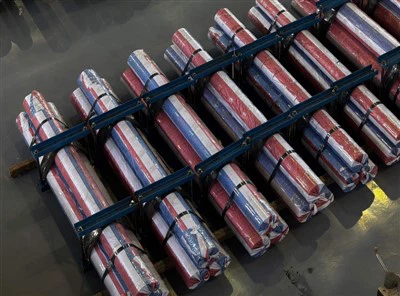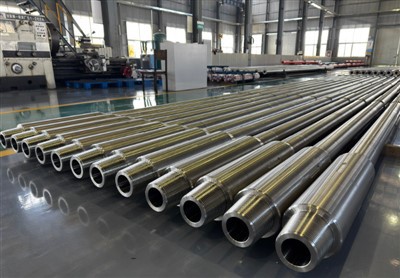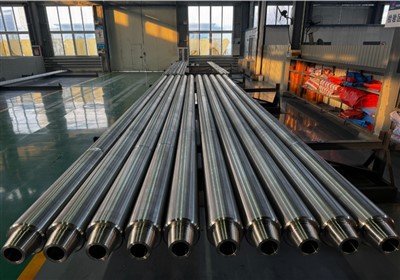

Hey there, folks! As a supplier of non-magnetic tools for the oil industry, I often get asked about what these tools are made of. It's a super important question because the materials used can significantly impact the performance and durability of these tools in the harsh oil drilling environment. So, let's dive right in and explore the different materials that go into making non-magnetic tools for oil.
1. Austenitic Stainless Steel
One of the most commonly used materials for non-magnetic tools in the oil industry is austenitic stainless steel. This type of steel is known for its excellent corrosion resistance and non-magnetic properties. The austenitic structure of this steel is what gives it its non-magnetic nature. Unlike ferritic or martensitic stainless steels, which have magnetic properties, austenitic stainless steel remains non-magnetic even under normal operating conditions.
Austenitic stainless steels, such as 304 and 316 grades, are widely used in the production of various non-magnetic tools. For example, Drill String Stabilizer can be made from austenitic stainless steel. These stabilizers play a crucial role in maintaining the stability of the drill string during the drilling process. The non-magnetic property of the austenitic stainless steel ensures that it doesn't interfere with the magnetic logging tools used in the wellbore.
The corrosion resistance of austenitic stainless steel is also a major advantage in the oil industry. Oil wells are often filled with corrosive fluids, such as brine and acidic gases. Austenitic stainless steel can withstand these corrosive environments, which helps to extend the lifespan of the tools.
2. Monel
Monel is another popular material for non-magnetic tools in the oil field. It is a nickel-copper alloy that offers a combination of high strength, good corrosion resistance, and non-magnetic properties. Monel is particularly well-suited for applications where high strength and resistance to seawater corrosion are required.
In the oil industry, Drill Bit Stabilizer made from Monel can be found. These stabilizers are used to keep the drill bit in the correct position during drilling, reducing the chances of bit deviation. The high strength of Monel allows the stabilizer to withstand the high pressures and forces encountered during drilling.
Monel also has good resistance to stress corrosion cracking, which is a common problem in the oil and gas industry. This makes it a reliable choice for tools that are exposed to harsh environments for extended periods.
3. Inconel
Inconel is a family of nickel-chromium-based superalloys that are known for their high-temperature strength, corrosion resistance, and non-magnetic properties. These alloys are often used in applications where the tools need to operate at high temperatures and in corrosive environments.
Drilling Stabilizers made from Inconel are used in deep and hot wells. The high-temperature strength of Inconel allows the stabilizers to maintain their shape and performance even at temperatures above 1000°F (538°C). The corrosion resistance of Inconel also ensures that the tools can withstand the corrosive fluids present in the wellbore.
In addition to drilling stabilizers, Inconel can also be used to make other non-magnetic tools, such as Non-Magnetic Retaining Rings for Motors. These rings are used to hold components in place in electric motors used in the oil industry. The non-magnetic property of Inconel ensures that it doesn't interfere with the magnetic field of the motor.
4. Titanium Alloys
Titanium alloys are lightweight, strong, and non-magnetic, making them an attractive option for non-magnetic tools in the oil industry. These alloys have a high strength-to-weight ratio, which means that they can provide the same level of strength as heavier materials while reducing the overall weight of the tool.


Integral Blade Stabilizers can be made from titanium alloys. The lightweight nature of titanium alloys makes these stabilizers easier to handle and transport, which can save time and money during the drilling process. The non-magnetic property of titanium alloys also makes them suitable for use in conjunction with magnetic logging tools.
Titanium alloys also have good corrosion resistance, especially in seawater and other corrosive environments. This makes them a reliable choice for tools that are used in offshore oil drilling.
Why Choose Our Non-Magnetic Tools
As a supplier of non-magnetic tools for the oil industry, we take pride in offering high-quality products made from the best materials. We understand the unique requirements of the oil industry and strive to provide tools that can withstand the harsh conditions of oil drilling.
Our non-magnetic tools are made from carefully selected materials, such as austenitic stainless steel, Monel, Inconel, and titanium alloys. We use advanced manufacturing processes to ensure that our tools meet the highest standards of quality and performance. Whether you need a Drill String Stabilizer, a Drill Bit Stabilizer, or any other non-magnetic tool, we have the expertise and resources to provide you with the right solution.
If you're in the market for non-magnetic tools for the oil industry, we'd love to hear from you. We can provide you with detailed information about our products, including specifications, pricing, and delivery options. Contact us today to start a conversation about your non-magnetic tool needs.
References
- ASM Handbook Volume 1: Properties and Selection: Irons, Steels, and High-Performance Alloys
- Corrosion Resistance of Engineering Materials by David A. Jones
- Nickel and High Performance Alloys by George E. Totten and D. Scott MacKenzie