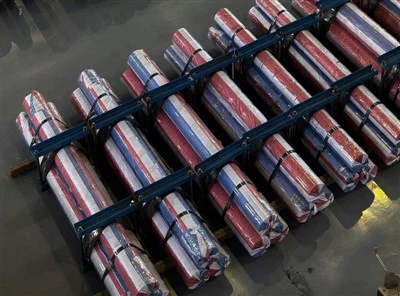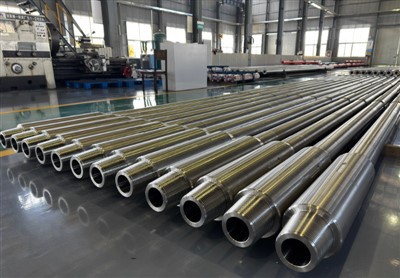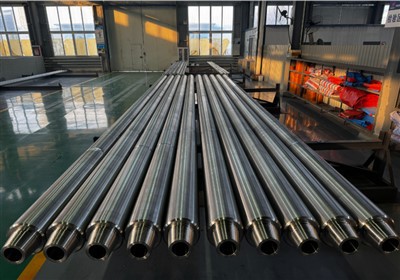

In recent years, the plastic industry has witnessed rapid growth and continuous innovation. As a supplier of non - magnetic probe outer tubes, I often get asked about the potential applications of these products in the plastic industry. In this blog, we will explore whether non - magnetic probe outer tubes can be used in the plastic industry, delving into the properties of these tubes, the requirements of the plastic industry, and possible use - cases.
Properties of Non - Magnetic Probe Outer Tubes
Non - magnetic probe outer tubes are made from materials that do not generate a magnetic field and are not affected by external magnetic fields. This characteristic makes them ideal for applications where magnetic interference can cause problems. Common materials used for these tubes include certain types of stainless steel alloys, titanium, and some high - performance polymers.
These tubes have excellent corrosion resistance. They can withstand exposure to various chemicals, which is crucial in many industrial environments. Additionally, they offer high mechanical strength, allowing them to endure harsh operating conditions such as high pressure and mechanical stress. The smooth surface finish of non - magnetic probe outer tubes also reduces friction, which is beneficial in applications where the tube needs to move or where materials need to flow through it.
Requirements of the Plastic Industry
The plastic industry has a wide range of requirements depending on the specific processes and products involved. In plastic manufacturing, precision is of utmost importance. Whether it's injection molding, extrusion, or blow - molding, accurate temperature, pressure, and flow rate control are necessary to produce high - quality plastic products.
Chemical compatibility is another key requirement. Plastics are often processed with the use of various additives, solvents, and catalysts. The equipment used in the plastic industry must be able to resist chemical attack from these substances to ensure long - term operation without degradation.
Hygiene is also crucial, especially in the production of plastic products for the food, medical, and consumer goods sectors. The equipment used should be easy to clean and sanitize to prevent contamination.
Potential Applications in the Plastic Industry
Temperature and Pressure Sensing
Non - magnetic probe outer tubes can be used to house temperature sensors and pressure transducers in plastic processing equipment. In injection molding machines, for example, accurate temperature measurement is essential for controlling the melting process of the plastic resin. The non - magnetic property of the outer tube ensures that there is no interference with the sensor's operation, providing accurate and reliable readings. These tubes can protect the delicate sensors from the high temperatures and pressures inside the molding machine while maintaining chemical compatibility with the plastic materials and any additives used.
Flow Measurement
In plastic extrusion processes, measuring the flow rate of the molten plastic is critical for ensuring consistent product quality. Flow sensors housed in non - magnetic probe outer tubes can be inserted into the extrusion die or pipes. The non - magnetic nature of the tube prevents any magnetic interference with the flow sensor, allowing for precise measurement of the plastic's flow rate. The corrosion - resistant and smooth - surfaced tube also minimizes the build - up of plastic residue, ensuring the long - term accuracy of the flow measurement.
Material Handling
Non - magnetic probe outer tubes can be used in plastic material handling systems. For example, in pneumatic conveying systems where plastic pellets or powders are transported, the tubes can be used as part of the sensor housing to detect the level of material in the silos or hoppers. The high mechanical strength of the tubes allows them to withstand the impact and abrasion of the plastic materials during transportation.
Relevant Products and Their Applications in the Coal Industry for Context
While we are focusing on the plastic industry, it's worth mentioning some related non - magnetic products that we supply for the coal industry. Our Non - Magnetic Drill Collar for Coal is used in coal mining drilling operations. It provides the necessary weight and stability during drilling while its non - magnetic property is crucial for accurate measurement of the wellbore's magnetic field, which helps in guiding the drilling process.
The Upper Non - Magnetic Drill Pipe and Lower Non - Magnetic Drill Pipe play different roles in the coal drilling string. They are designed to transmit torque and drilling fluid while ensuring that there is no magnetic interference with downhole measurement tools. Our Non - Magnetic Joints for Coal are used to connect different sections of the drill string, maintaining the non - magnetic integrity of the entire system. And the Coal Machine Non - Magnetic Drill Pipe is specially designed for coal mining machines, providing reliable performance under the harsh conditions of coal extraction.
Advantages of Using Non - Magnetic Probe Outer Tubes in the Plastic Industry
One of the main advantages is the long - term reliability. Due to their corrosion - resistant and high - strength properties, non - magnetic probe outer tubes can have a longer service life compared to traditional materials. This reduces the frequency of equipment replacement and maintenance, leading to cost savings for plastic manufacturers.
The non - magnetic property also ensures the accuracy of sensors and measurement devices. In a plastic processing environment where small variations in temperature, pressure, or flow rate can significantly affect product quality, accurate measurement is essential. By using non - magnetic probe outer tubes, plastic manufacturers can have more confidence in the data provided by their sensors.
Challenges and Considerations
Despite the potential benefits, there are also some challenges and considerations when using non - magnetic probe outer tubes in the plastic industry. The initial cost of these tubes may be higher compared to traditional materials. However, when considering the long - term cost savings from reduced maintenance and replacement, the investment can be justified.
Another consideration is the compatibility of the tube material with specific plastic resins. Some plastics may have unique chemical properties that could potentially interact with the tube material over time. Therefore, it is important to conduct thorough compatibility tests before implementing non - magnetic probe outer tubes in a plastic manufacturing process.
Conclusion
In conclusion, non - magnetic probe outer tubes have significant potential for use in the plastic industry. Their properties such as non - magnetism, corrosion resistance, high mechanical strength, and smooth surface finish make them suitable for various applications including temperature and pressure sensing, flow measurement, and material handling. While there are some challenges and considerations, the long - term benefits in terms of reliability and accuracy can outweigh the initial costs.
If you are in the plastic industry and are interested in exploring the use of non - magnetic probe outer tubes for your operations, we would be delighted to have a conversation with you. Contact us to discuss your specific requirements and how we can provide the best solutions for your plastic manufacturing processes.


References
- Smith, J. (2018). Industrial Sensor Applications. Publisher XYZ.
- Johnson, A. (2019). Plastic Processing Technology. Publisher ABC.
- Brown, C. (2020). Non - Magnetic Materials in Industrial Applications. Publisher DEF.